
Foreign Intelligence Exploits LinkedIn for Espionage
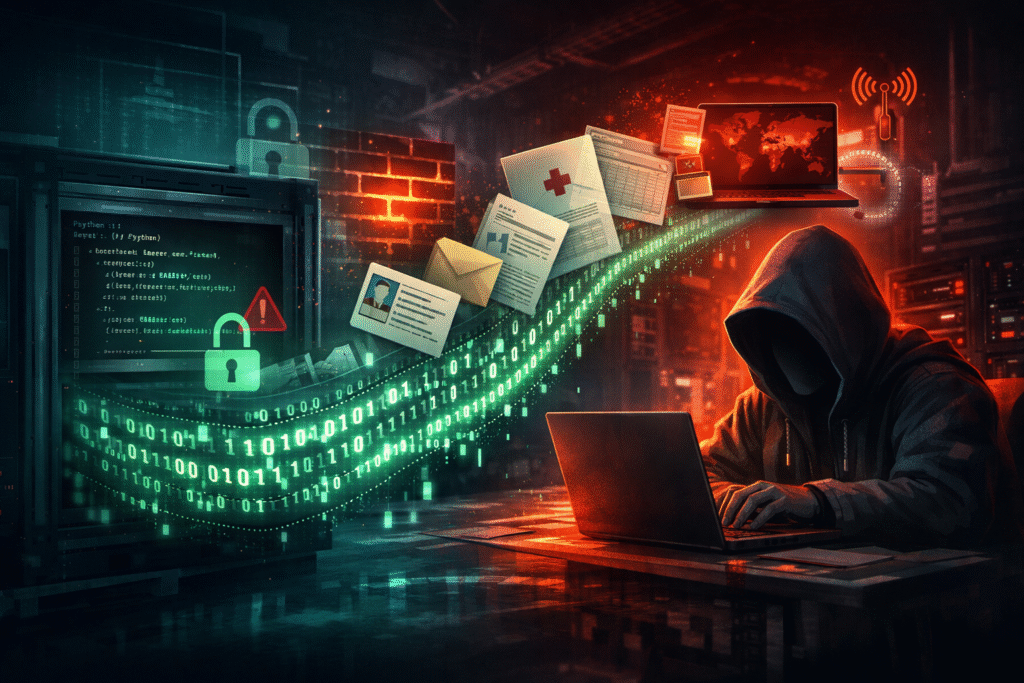
MI5 recently revealed that foreign intelligence operatives are targeting UK Members of Parliament through deceptive LinkedIn profiles to extract insider information, prompting a significant UK government initiative to combat these espionage threats. The episode highlights the growing trend of cybercriminals utilizing LinkedIn as a platform for sophisticated phishing and business email compromise (BEC) attacks.
LinkedIn, with over one billion users, serves as a rich resource for adversaries seeking sensitive corporate information. Cyber actors take advantage of the platform’s vast professional network to gather intelligence on individuals, fostering relationships that enhance the effectiveness of their campaigns. The legitimacy associated with professional profiles makes users more likely to respond to communications from unknown individuals, while the site’s infrastructure can bypass conventional corporate security measures that monitor email traffic. Threat actors can easily establish fake identities, conduct reconnaissance, and automate mass campaigns, leveraging the wealth of publicly available data.
Common tactics include phishing and spearphishing, where tailored messages increase the likelihood of success, and direct outreach using malicious links to deploy malware or solicit credentials. Case studies illustrate the risks: North Korea’s Lazarus Group has posed as recruiters to infect aerospace staff with malware, while the ScatteredSpider group executed a $100 million ransomware attack by leveraging an unsuspecting employee’s LinkedIn identity. Likewise, the “Ducktail” spearphishing campaign targeted marketing professionals to spread info-stealing malware.
Consequently, safeguarding against LinkedIn threats requires proactive measures. Organizations should integrate LinkedIn attack scenarios into security training and educate employees about oversharing and recognizing fake accounts. Regular software updates, strong security protocols, and the implementation of multi-factor authentication also mitigate risks to both personal accounts and corporate networks.
The ongoing exploitation of LinkedIn represents a significant cybersecurity risk. Defenders must remain vigilant and adapt to the dynamic nature of these threats, ensuring employees understand that even in professional environments, caution is paramount.
Click here for the full article