


AI Guardrails: A Necessity for Tailored Cybersecurity Protections
TL;DR Many existing AI guardrails, such as those offered by mainstream providers like OpenAI and Anthropic, are too generic for effective security applications, leading to operational frustrations for cybersecurity professionals. Organizations should implement their own guardrails tailored to specific user needs to protect sensitive data and mitigate risks associated with AI technologies.
Main Analysis
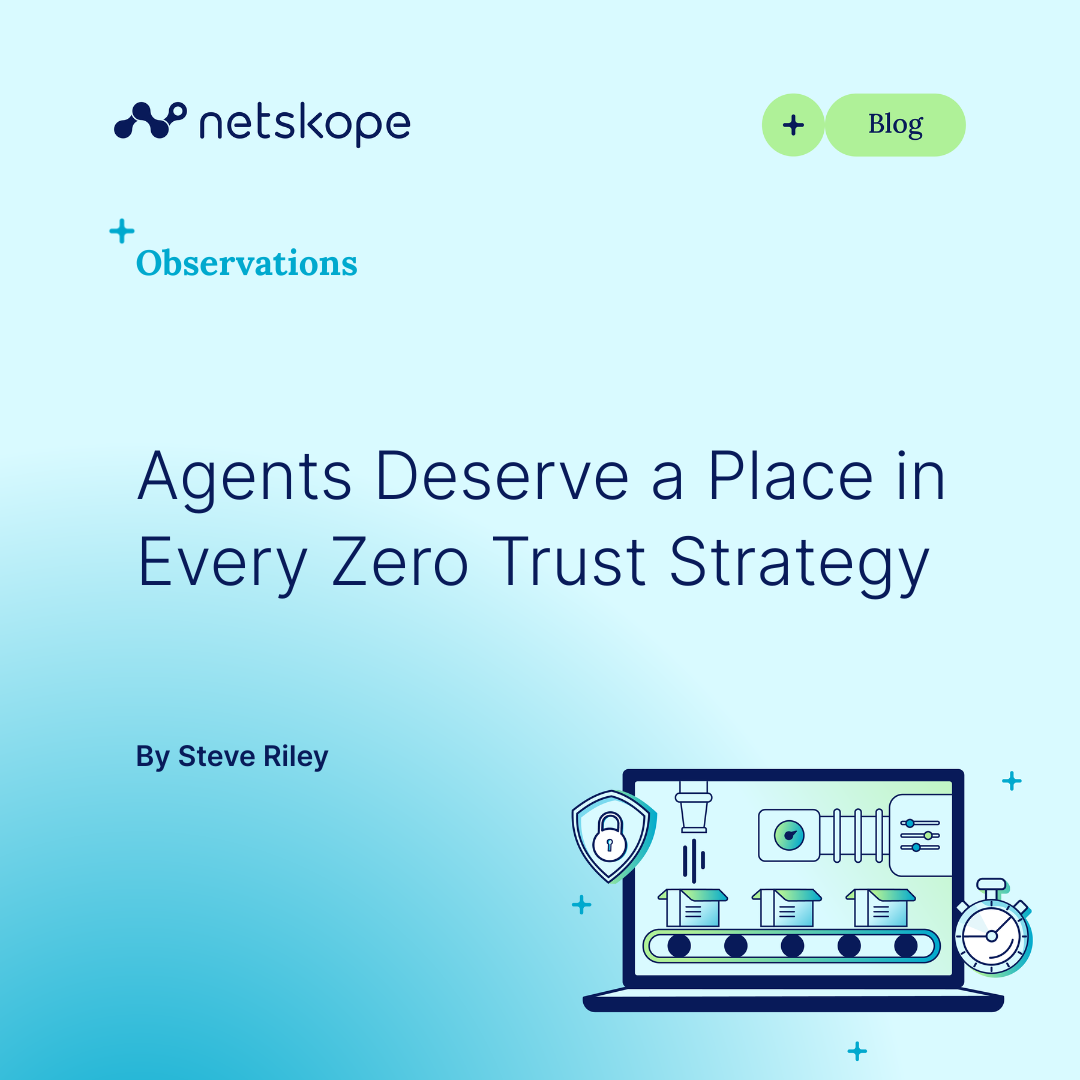
The article from Netskope emphasizes the inadequacy of native AI guardrails provided by leading platforms like Amazon Bedrock and Anthropic, which are designed primarily to protect vendor liability rather than serve organizational security needs. These guardrails often fail to accommodate the diverse requirements of various teams within an organization, resulting in operational friction and inadequate protection. For instance, cybersecurity researchers may find themselves circumventing these controls to conduct necessary research, while other departments require stricter measures to prevent exposure to malicious content.
Netskope argues for the necessity of customized AI guardrails that align with specific use cases across an organization. Different roles, such as those in cybersecurity, software development, and human resources, require varying levels of protection based on their activities. Customizable guardrails would not only enhance usability but also secure sensitive data against risks such as data leaks or malicious code injection. The article highlights real-world incidents underscoring these risks, including legal repercussions from compromised communications with AI tools.
Moreover, there is a significant lack of observability when relying solely on native guardrails, which tend to operate like a black box. Organizations lose visibility into user interactions with AI systems, making it difficult to assess risks or improve security postures effectively. Customizable guardrails can address this by providing clear logs and audit trails, allowing security teams to monitor user behaviors and potential insider threats.
Defensive Context
This issue is crucial for organizations employing AI tools across diverse departments. Companies leveraging advanced AI technologies must recognize that standard vendor-provided guardrails may not effectively mitigate risks specific to their operational contexts. Teams involved in high-risk activities, such as cybersecurity and software development, are particularly susceptible to threats associated with generic guardrails.
Why This Matters
Organizations that do not adopt tailored guardrails expose themselves to multiple risks, including unauthorized data access, intellectual property theft, and potential insider threats. As demonstrated in the documented cases, failure to guard against AI misuse can lead to significant legal and financial consequences.
Defender Considerations
Organizations should consider implementing their own AI guardrails to meet compliance and operational needs effectively. Custom policies aligned with specific roles can reduce risks while allowing necessary flexibility for users who conduct sensitive work, especially in security-related functions.
Environment Exposure
The relevance of this threat grows in environments where sensitive data is handled, particularly in sectors like finance or healthcare, where regulatory compliance amplifies the need for robust data protection measures. Conversely, organizations that do not heavily rely on AI for sensitive tasks may not see immediate risks from this issue.