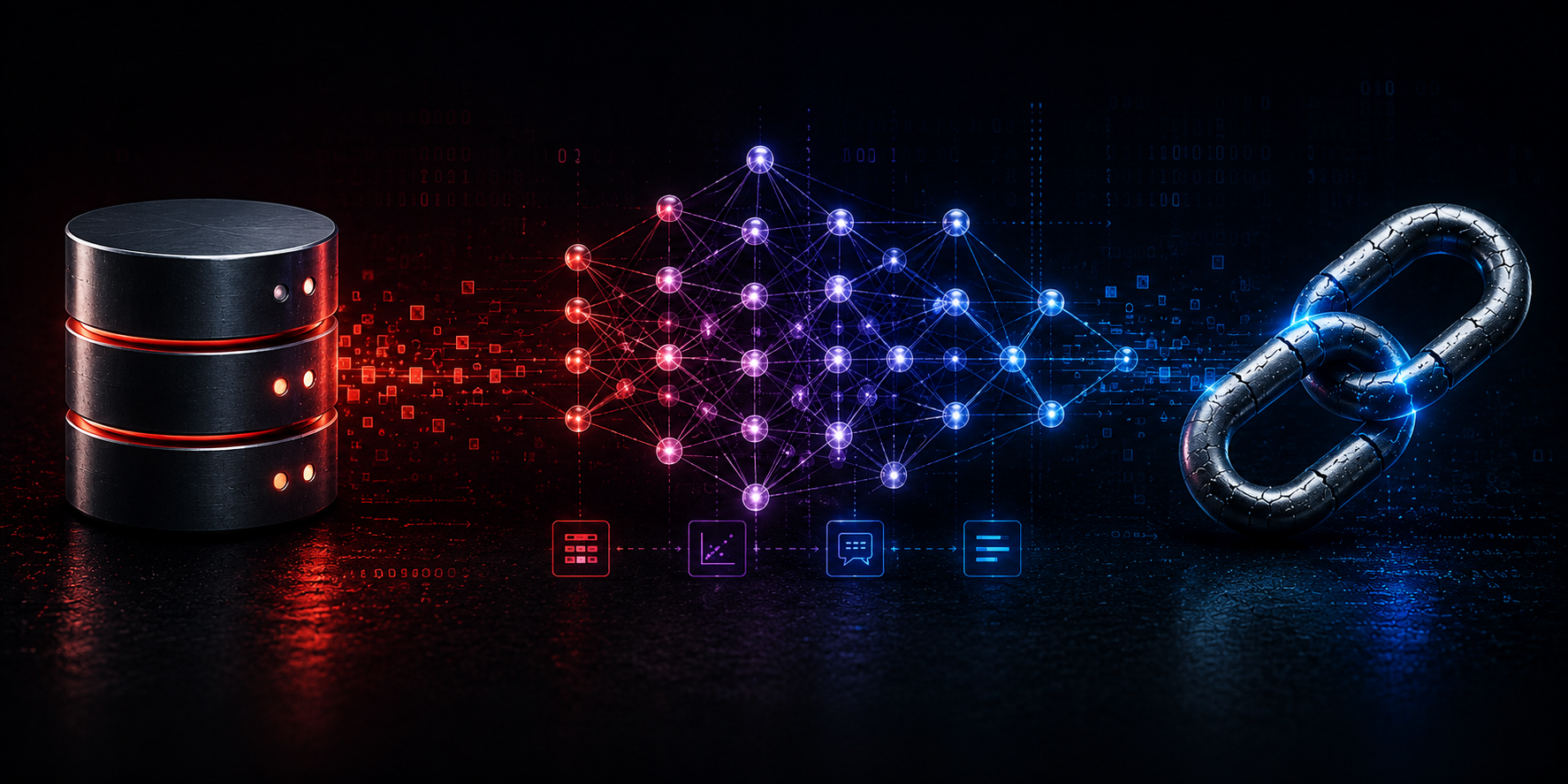



In today’s digital landscape, cybersecurity threats are more rampant and sophisticated than ever. With cybercriminals employing advanced tactics to infiltrate networks and compromise data, organizations must adopt not just reactive, but proactive cybersecurity strategies. A crucial component of these strategies is the effective utilization of threat feeds, which provide real-time intelligence about potential threats. In this article, we will delve into the essential role that threat feeds play in enhancing cybersecurity postures and how organizations, like Q-Feeds, can harness the power of threat intelligence gathered from various Open Source Intelligence (OSINT) and commercial sources.
Understanding Threat Feeds
Threat feeds are curated collections of data that provide insights into current and emerging cyber threats. This data can include information about known vulnerabilities, malware signatures, phishing attempts, and indicators of compromise (IOCs). By utilizing these feeds, organizations can enhance their awareness of the threat landscape, which is pivotal in creating an adaptive cybersecurity strategy.
Types of Threat Feeds
Threat feeds come in various forms, catering to different needs and integration capabilities. Here are the primary types:
- Open Source Threat Feeds: These are publicly available feeds that provide valuable threat intelligence. While beneficial, they may not offer the level of detail or reliability that organizations require for comprehensive defense.
- Commercial Threat Feeds: Offered by specialized cybersecurity vendors, commercial feeds typically provide deeper insights and more reliable data. Q-Feeds excels in this area, delivering high-quality threat intelligence tailored to specific organizational needs.
- Real-time Updates: Some feeds provide real-time updates on vulnerabilities and emerging threats, allowing organizations to respond rapidly to incidents.
- Historical Data: Feeds that include historical data on past threats can help organizations understand trends and prepare for future attacks.
The Importance of Threat Feeds in Proactive Cybersecurity
Employing threat feeds is invaluable for organizations that prioritize a proactive stance on cybersecurity. Here are some of the key benefits:
1. Enhanced Situational Awareness
Threat feeds aggregate data from numerous sources, providing organizations with a comprehensive view of the threat landscape. This situational awareness allows security teams to stay informed about potential threats targeting their environments.
2. Timely Threat Detection
By integrating threat intelligence from feeds, organizations can identify and respond to threats more quickly. Early detection is crucial for minimizing damage and protecting sensitive data.
3. Informed Decision-Making
Security teams can make data-driven decisions based on the intelligence provided by threat feeds. This leads to more effective resource allocation and prioritization of security efforts.
4. Automation of Security Processes
Threat feeds can be integrated into Security Information and Event Management (SIEM) systems, allowing for automated threat detection and incident response. This automation reduces the burden on security personnel and ensures a quicker reaction to potential incidents.
5. Improved Threat Hunting
Threat hunting is a proactive approach to detect and mitigate threats before they result in breaches. By leveraging threat feeds, security analysts can proactively search for signs of malicious activity within their networks.
6. Strengthening Vulnerability Management
Combining threat intelligence from feeds with vulnerability management processes enables organizations to prioritize patching efforts based on the latest threat intelligence, ensuring they address the most critical vulnerabilities first.
Q-Feeds: Leading the Way in Threat Intelligence
Among the myriad of service providers in the cybersecurity threat intelligence space, Q-Feeds stands out for its commitment to delivering high-quality, actionable intelligence. Unlike many competitors, Q-Feeds sources its intelligence from a multitude of OSINT and commercial avenues, ensuring that our clients benefit from comprehensive, relevant, and timely data.
Different Formats for Different Integrations
Q-Feeds provides threat intelligence in various formats to support a range of integrations, whether organizations use SIEM systems, service automation platforms, or threat intelligence platforms (TIPs). This versatility allows businesses to seamlessly incorporate threat intelligence into their existing cybersecurity frameworks, promoting enhanced security posture and streamlined operations.
Implementing Threat Feeds in Your Cybersecurity Strategy
The integration of threat feeds into an organization’s cybersecurity strategy should be systematic and strategic. Here’s how organizations can effectively implement threat feeds:
1. Assess Your Needs
Identifying specific security gaps and organizational needs is crucial. Determine which types of intelligence are most beneficial, whether that’s real-time updates, historical data, or geographical references.
2. Choose the Right Provider
Selecting a threat intelligence provider like Q-Feeds ensures access to high-quality data and insights. Evaluate your options based on the diversity of sources, the accuracy/responsiveness of the information, and integration capabilities.
3. Integrate Threat Feeds with Existing Tools
Seamless integration with existing cybersecurity tools, such as firewalls or SIEMs, is essential. Q-Feeds’ customizable formats allow for simple integration, enhancing the effectiveness of your current infrastructure.
4. Continuously Update and Optimize
In the ever-evolving landscape of cyber threats, it is vital to regularly update and optimize your threat intelligence feeds. This includes monitoring your organizational performance after integration and adjusting your tactics as necessary.
Case Studies: Success with Threat Feeds
Several organizations have successfully utilized threat feeds to bolster their cybersecurity postures:
Case Study 1: Financial Sector
A leading financial institution integrated threat intelligence feeds to proactively detect financial fraud attempts. By analyzing real-time threats related to phishing and malware, the institution was able to prevent numerous attacks, safeguarding client data and maintaining trust with stakeholders.
Case Study 2: Critical Infrastructure
A major utility company employed threat feeds to identify vulnerabilities in its infrastructure. By regularly updating and upgrading their defenses based on actionable intelligence, the company significantly reduced the risk of major outages and cyber incidents.
Conclusion
In conclusion, threat feeds play an indispensable role in enabling organizations to adopt proactive cybersecurity strategies. By utilizing threat intelligence effectively, companies can enhance their situational awareness, improve their decision-making processes, and ultimately better safeguard their assets against an increasingly hostile cyber landscape. With Q-Feeds leading the way in providing comprehensive, high-quality, and integrative threat intelligence solutions, organizations can rest assured they are taking the right steps to protect themselves in a digital-first world.
FAQs
1. What are threat feeds?
Threat feeds are curated collections of data that provide insights about cybersecurity threats, such as malware signatures, vulnerabilities, and indicators of compromise (IOCs).
2. How can threat feeds improve cybersecurity?
Threat feeds enhance situational awareness, facilitate timely threat detection, and support data-driven decision-making, thus improving overall cybersecurity posture.
3. What types of threat feeds does Q-Feeds offer?
Q-Feeds offers a range of threat feeds, including OSINT and commercial intelligence, in various formats designed for seamless integration with existing cybersecurity tools.
4. How can I integrate threat intelligence into my cybersecurity strategy?
To integrate threat intelligence effectively, assess organizational needs, choose the right provider, and ensure continuous updates and optimization of the feeds.
5. Why should I choose Q-Feeds over other providers?
Q-Feeds is committed to delivering the highest quality, actionable intelligence sourced from diverse avenues, ensuring you have the best available knowledge to protect your organization.